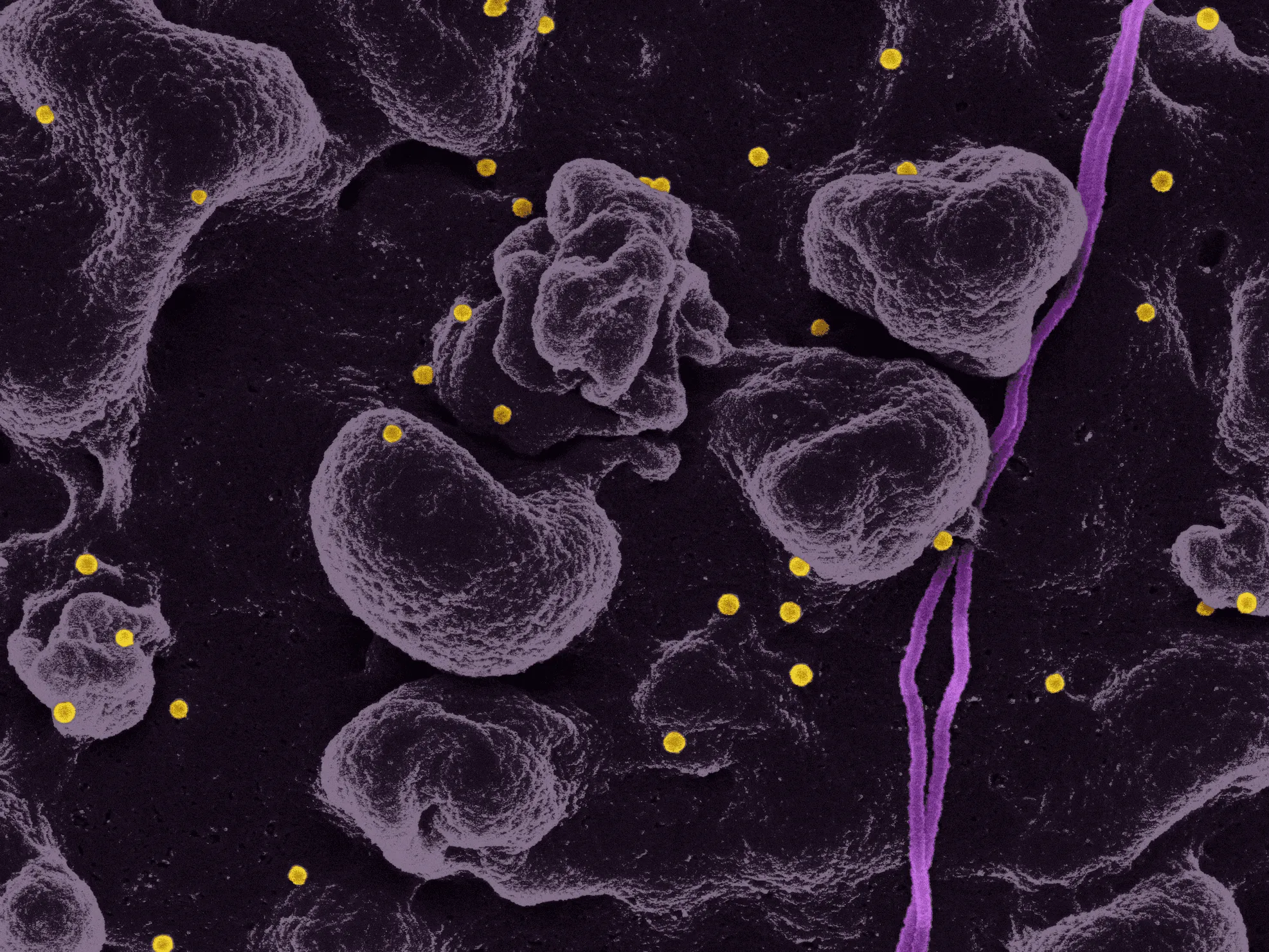
Basophils: A Key Biomarker for Allergies & Immune Regulation
Discover the role of Basophils in your health and longevity with Mito Health's advanced biomarker analysis. Our detailed reports cover key biomarkers, providing essential insights to help you make informed decisions for a healthier, longer life.
July 2, 2024

What Is Basophils?
Basophils are white blood cells and the rarest circulating immune cells in the body, normally accounting for less than 1% of all white blood cells. Measured as part of a standard complete blood count (CBC) with differential, the basophil result tells you how many of these cells were present in your bloodstream at the time of the draw.
Like neutrophils and eosinophils, basophils belong to the granulocyte family - named for the granules packed inside them. Those granules hold biologically active substances including histamine, heparin, leukotrienes, and cytokines. When basophils encounter an allergen or another immune trigger, they release these contents into surrounding tissue, initiating or amplifying an inflammatory response.
Basophils mature in the bone marrow from a stem cell called a myeloid progenitor, enter the bloodstream, and circulate briefly before migrating into tissues when called upon. Their surface carries receptors that bind immunoglobulin E (IgE), the antibody class associated with allergic reactions. That IgE connection is why basophils are central to conditions like hay fever, food allergies, and hives. When IgE molecules on the basophil’s surface encounter a specific allergen, the cell releases its granule contents almost immediately.
Their role goes beyond allergy. Basophils contribute to antiparasitic immunity, can present antigens to T cells, and have been linked to wound healing and the regulation of bone marrow activity. A 2009 review in Nature Reviews Immunology called basophils a “neglected minority” whose importance had been substantially underestimated [Karasuyama et al., 2009].
Because basophils are so few in number, their absolute count - usually expressed in thousands per microliter (x109/L) - can shift with a wide range of conditions. Small absolute changes can represent large percentage swings, which is why both the absolute count and the percentage are typically reported together.
Normal Reference Range
Most clinical laboratories report a normal basophil absolute count of 0.01 to 0.10 x10⁹/L (10 to 100 cells per microliter). As a percentage of total white blood cells, the standard reference range is typically 0% to 1%, though some labs use a stricter upper threshold of 0.5%. Because basophils are present in such low numbers, a count of zero on a differential is not necessarily abnormal - it may simply reflect the rarity of these cells in the volume of blood sampled.
Reference ranges are largely consistent across adult men and women and do not shift substantially with age in healthy individuals. Children show similar ranges. Values can vary slightly depending on the analyzer used and the lab’s reference population. Always interpret your result against the reference range on your own lab report.
A result above 0.10 x10⁹/L (or above 1% of white blood cells) is generally classified as basophilia. A result at or near zero is called basopenia. Neither finding alone is diagnostic - other CBC values, symptoms, and clinical history are always part of the picture.
What High Basophils Levels Mean
Basophilia has a fairly distinct set of causes, ranging from benign immune reactions to serious bone marrow disorders. The most common reason for a mildly elevated count in an otherwise healthy person is an allergic or hypersensitivity condition. Chronic urticaria (hives), allergic rhinitis, eczema, and food allergies all involve heightened IgE-mediated activity, which can recruit and activate basophils over time, raising their circulating numbers. If you have known allergies and your basophil count is slightly elevated, that is usually the explanation.
Hypothyroidism is another relatively common cause of mild basophilia. The mechanism is not fully established, but thyroid hormone appears to suppress basophil production, so low thyroid activity can lead to a relative increase. Inflammatory conditions - particularly inflammatory bowel disease (Crohn’s disease and ulcerative colitis) and rheumatoid arthritis - have also been associated with higher basophil counts, likely reflecting chronic systemic inflammation.
The causes that warrant closer attention are hematologic. Myeloproliferative neoplasms - bone marrow disorders that include chronic myelogenous leukemia (CML), polycythemia vera, and primary myelofibrosis - are characterized by overproduction of blood cells, including basophils. A persistently elevated basophil count, especially alongside elevated white cell counts, elevated platelets, or an enlarged spleen, should prompt evaluation for these conditions. A basophil percentage above 2% of the white cell differential raises concern for CML and warrants hematology referral.
Common causes of elevated basophils include:
Allergic conditions (urticaria, rhinitis, food allergies)
Hypothyroidism
Inflammatory bowel disease
Myeloproliferative neoplasms (CML, polycythemia vera)
Chronic infections, particularly viral or parasitic
Iron deficiency anemia
A mildly elevated count on a routine panel, with no symptoms and otherwise normal blood values, is most often reactive rather than pathologic. Retesting in 4 to 8 weeks is a reasonable first step. If the elevation persists or worsens, or accompanies changes in other CBC parameters, further evaluation is warranted.
What Low Basophils Levels Mean
Basopenia - a basophil count at or near zero - is common and frequently normal. Because basophils are rare in the bloodstream under baseline conditions, a differential showing 0% basophils does not necessarily signal a problem. The significance depends on the clinical context and whether it is associated with other findings or symptoms. That said, several conditions can genuinely suppress basophil production or accelerate their consumption.
Acute allergic reactions, somewhat paradoxically, can deplete circulating basophils. During an active allergic episode, basophils rapidly degranulate and migrate into tissues, temporarily reducing the blood count. Corticosteroid therapy - including oral prednisone, high-dose inhaled steroids, and systemic steroid injections - suppresses basophil production as part of a broader immunosuppressive effect. Hyperthyroidism tends to lower basophil numbers, the mirror image of hypothyroidism. Acute infections and physiological stress activate the hypothalamic-pituitary-adrenal axis, raising cortisol, which in turn reduces basophil counts.
Conditions and circumstances associated with low basophil counts include:
Active allergic reactions or anaphylaxis (cells consumed in tissues)
Corticosteroid use (prescription or over-the-counter)
Hyperthyroidism or thyrotoxicosis
Acute bacterial or viral infections
Cushing’s syndrome (excess cortisol)
Pregnancy, particularly around ovulation and early gestation
Basopenia on its own rarely requires treatment. It more often points to something happening elsewhere - active inflammation, hormonal imbalance, or medication effects. If your basophil count is at zero while you are on long-term corticosteroids, that is an expected finding. If there is no obvious explanation, checking thyroid function alongside the CBC is a sensible next step.
How to Optimize Your Basophils Naturally
Because basophil levels are tied to immune activation, allergy burden, and hormonal balance, the most practical levers for normalization involve reducing inflammatory load and supporting the systems that regulate immune cell production. An anti-inflammatory diet - rich in vegetables, oily fish, olive oil, nuts, and legumes - helps lower the chronic low-grade inflammation that can drive basophil counts up. Cutting back on ultra-processed foods, refined sugars, and omega-6-heavy cooking oils removes ongoing inflammatory signals. No supplement directly and selectively modulates basophils, but nutrients that support general immune regulation - including vitamin D, omega-3 fatty acids, and zinc - have documented roles in balancing immune cell activity [Siracusa et al., 2013].
If the elevated count appears driven by allergic disease, reducing allergen exposure is the most direct path to normalization. That includes environmental controls for dust, mold, and pet dander, and working with an allergist to identify and manage food triggers. Allergen immunotherapy (allergy shots or sublingual tablets) has been shown to reduce IgE-mediated reactivity over time, which can lower the chronic activation state that drives basophilia. Treating thyroid dysfunction matters too - both hypothyroidism-driven basophilia and hyperthyroidism-driven basopenia tend to normalize once the underlying thyroid condition is managed.
Sleep and stress management are relevant here because the cortisol axis directly affects basophil counts. Chronically poor sleep elevates cortisol, which broadly depresses immune cell counts. Consistent 7 to 9 hours of quality sleep and regular stress reduction - whether through exercise, breathwork, or cognitive behavioral approaches - help regulate the hormonal environment that governs immune cell production. Moderate aerobic exercise supports immune homeostasis without the suppressive effects that come with overtraining.
For more specific guidance on lifestyle strategies to support healthy basophil counts, see how to improve your basophils naturally. You may also find it useful to explore how related immune markers like eosinophils interact with basophil trends, since both are granulocytes activated by allergic and parasitic responses.
Testing and Monitoring
Basophils are measured as part of the complete blood count (CBC) with differential, a routine blood test that counts and categorizes the cells in your blood. The test requires a standard blood draw from a vein in the arm. No fasting is required. Results are usually available within 24 hours and are reported alongside counts for neutrophils, lymphocytes, monocytes, and eosinophils, giving a full picture of the white cell compartment.
For most healthy adults with a normal result, the basophil count does not need to be retested more often than annually. A mildly elevated but unexplained count is reasonably managed with a repeat test in 4 to 8 weeks while monitoring for new symptoms. Persistent elevation - especially above 1 to 2% of the white cell differential - should prompt a clinical review with additional testing, which may include a comprehensive metabolic panel, thyroid function tests, and a peripheral blood smear reviewed by a hematologist. Trends across multiple draws are more informative than any single value.
Mito Health’s comprehensive blood panel ($349 for individuals, $668 for a duo) includes a full CBC with differential alongside more than 100 other biomarkers covering metabolic health, hormones, cardiovascular risk, and nutrient status. Rather than acting on a single out-of-range value in isolation, the panel gives you the context needed to understand whether an elevated or depressed basophil count reflects a systemic pattern worth addressing. Learn more at mitohealth.com.
Frequently Asked Questions
Q: My basophil count came back as 0 - should I be worried?
A: Probably not. Because basophils are the rarest white blood cell, a count of zero falls within normal limits on most lab reports and is a common finding. A recent allergic reaction, corticosteroid use, or physical stress can all transiently reduce the count further. A zero basophil result on an otherwise normal CBC rarely warrants follow-up on its own.
Q: Can a high basophil count mean I have leukemia?
A: Markedly elevated basophils can be a feature of certain blood cancers, particularly chronic myelogenous leukemia (CML). That said, the vast majority of mildly elevated basophil results in routine blood work reflect benign causes like allergies, hypothyroidism, or inflammation. A basophil percentage above 2% - especially with an elevated total white cell count - is the range where further evaluation is warranted. A single mildly elevated result with no other abnormalities is almost never a sign of malignancy [Sullivan et al., 2011].
Q: Do basophil levels fluctuate day to day?
A: Yes. Because basophils are present in such small absolute numbers, even minor physiological variation - time of day, recent exercise, a mild infection, or stress - can shift the count enough to cross the reference range boundary. This is one reason a single reading has limited diagnostic weight. If your count is borderline, a repeat test under consistent conditions (rested, not during an acute illness) gives a more reliable picture.
Q: Are basophils connected to my allergy symptoms?
A: Yes, directly. Basophils carry IgE receptors on their surface and release histamine and other inflammatory mediators when exposed to allergens. They drive the immediate phase of allergic reactions and contribute to the sustained inflammatory response that follows. People with active allergic disease - seasonal allergies, chronic hives, food sensitivities - often have both higher IgE levels and a higher baseline basophil activation state, which can show up as a mildly elevated circulating count.