LDL Cholesterol: A Key Indicator of Heart Health & Cardiovascular Risk
Understand the impact of LDL Cholesterol on your health and longevity with Mito Health's comprehensive biomarker analysis. Our detailed reports cover key biomarkers, providing essential insights to help you make informed decisions for a healthier, longer life.
July 1, 2024

What is LDL Cholesterol?
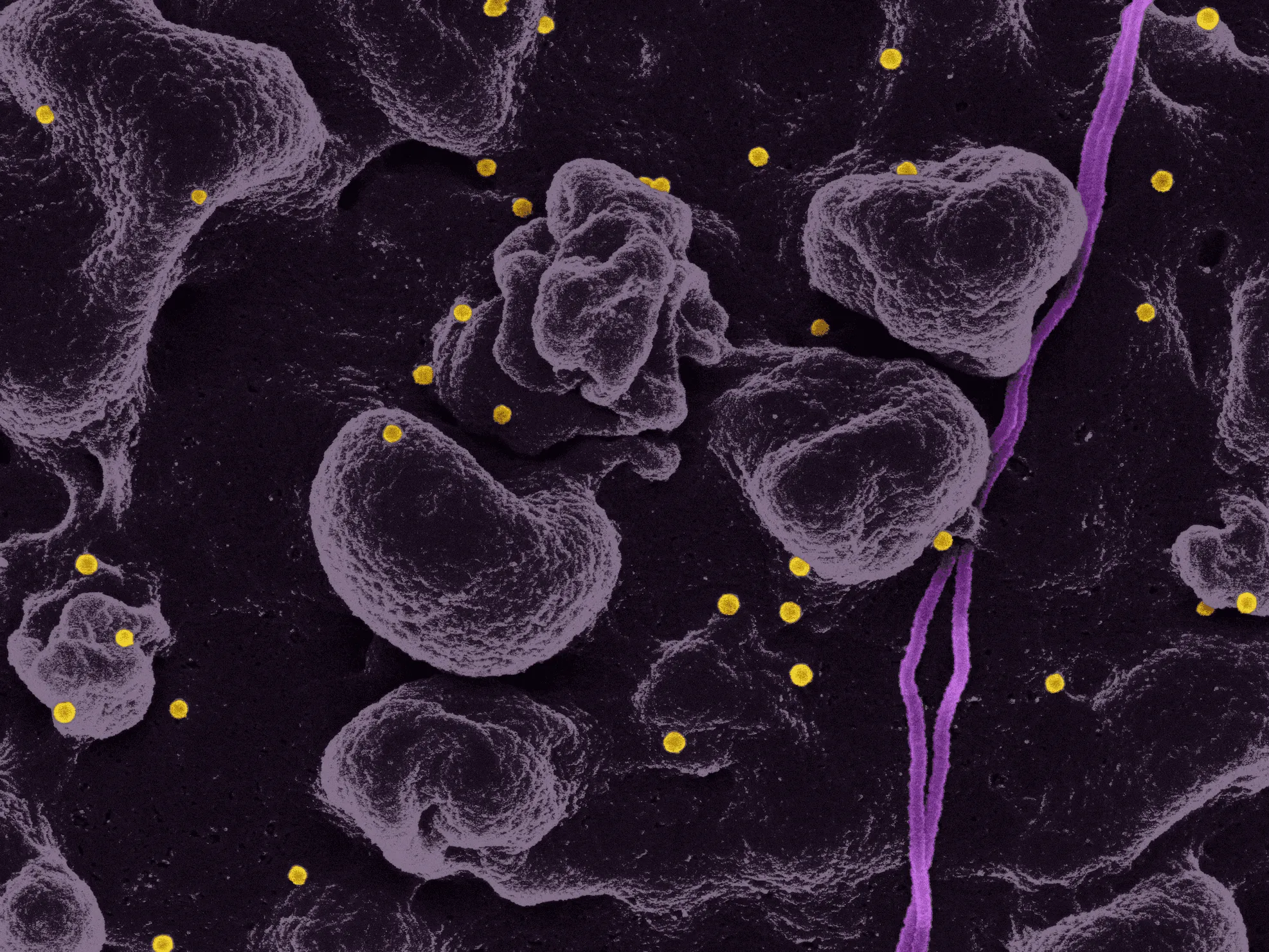
Low-density-lipoproteins (LDL) are one of the types of particles that carry excess cholesterol in our blood.LDL-cholesterol (LDL-C) tests measure the amount of cholesterol carried inside these LDL-particles.
What does it assess?
LDL-C is used in existing risk prediction guidelines and can help us decide on need for treatment and effectiveness of treatment.We rely primarily on apoB to determine risk, and complement that with traditional cholesterol metrics like LDL-C.
How do I optimize my LDL Cholesterol levels?
Omega-3 fatty acids, found in fatty fish like salmon, mackerel, and sardines, have been shown to lower LDL cholesterol and triglycerides while improving heart health.Omega-3s contribute to better lipid metabolism and reduce the risk of inflammation, which plays a role in cardiovascular diseases. Trans fats, found in many processed and packaged foods, are particularly harmful to LDL cholesterol.These fats not only raise LDL levels but also lower HDL cholesterol.To optimize LDL levels, it is essential to eliminate or minimize trans fat intake by avoiding processed foods, fried foods, and foods containing partially hydrogenated oils. Regular exercise helps reduce LDL cholesterol while improving HDL levels. Aerobic activities, such as brisk walking, cycling, or swimming, are particularly effective in lowering LDL cholesterol.Exercise enhances the ability of the body to metabolize fat and improves overall cardiovascular health.
What do high and low LDL Cholesterol levels mean?
A high LDL-C, particularly when in conjunction with high apoB, indicates an increased risk of developing atherosclerosis, heart attacks and stroke.While there are some online that argue that LDL-C / apoB levels do not matter in those with low inflammation, insulin sensitivity or “large, fluffy LDL-particles”, this is categorically false.In general when it comes to apoB and LDL-C, lower is better for reducing the risk of cardiovascular disease.
Related MitoHealth Reads
/improve/how-to-improve-your-ldl-cholesterol-naturally
/blog/ldl-cholesterol-heart-health-longevity