
Feeling Drained? What You Need to Know About Adrenal Fatigue and Real Recovery
Why your constant tiredness isn't just in your head — and what science says can help
January 29, 2025

Many people feel constantly tired, irritable, or just not themselves. You may wake up groggy even after a full night’s sleep or reach for sugar and caffeine just to get through the day. If that sounds familiar, you might have come across the term “adrenal fatigue” while searching for answers.
The symptoms are real. But is adrenal fatigue the right explanation? Let’s take a closer look at what causes fatigue like this, how the body actually responds to stress, and what you can do to feel better.
What Is Adrenal Fatigue?
“Adrenal fatigue” is a term that became popular in the wellness world in the late 1990s. Chronic stress can wear out your adrenal glands, making them “tired” and unable to produce enough cortisol, a.k.a. your main stress hormone.
It sounds reasonable, but there’s a problem: adrenal fatigue isn’t a real medical diagnosis.
Major medical organizations say there is no scientific evidence that the adrenal glands actually “burn out.” In fact, studies show that in most cases of chronic stress, the adrenal glands continue to function properly.
Many people mix up adrenal fatigue with adrenal insufficiency, which is actually a rare and serious issue. In adrenal insufficiency, the adrenal glands are damaged and can’t make enough hormones. That condition is diagnosed with specific blood tests and has clear medical treatments.
Common Symptoms Often Attributed to Adrenal Fatigue

So while the term “adrenal fatigue” may not be medically accurate, the symptoms people experience are absolutely real. People who believe they have adrenal fatigue often describe these symptoms:
-
Always feeling tired
-
Hard to wake up in the morning
-
Trouble focusing
-
Low mood or easily annoyed
-
Cravings for salty or sweet foods
-
Bad sleep quality
-
Weaker immune system
These symptoms overlap with many real, diagnosable conditions. For example, Hypothyroidism can cause fatigue, weight gain, and brain fog. Meanwhile, sleep disorders like sleep apnea can make you feel drained even after eight hours in bed.
Nutrient deficiencies, like low iron or B12, can lead to low energy and mood changes. Lastly, depression and anxiety can also mimic many of the same symptoms. That’s why it’s so important not to self-diagnose. The key is to get proper testing to uncover what’s really going on.
So, What Causes These Symptoms?
Fatigue and stress-related symptoms can be caused by:
-
Poor sleep or sleep apnea
-
Long-term stress
-
Low thyroid function
-
Blood sugar issues or insulin resistance
-
Anemia or low iron levels
-
Nutrient deficiencies (B vitamins, magnesium, vitamin C)
-
Hormonal imbalances
Chronic stress or high cortisol levels impact the hypothalamic-pituitary-adrenal (HPA) axis, your body’s stress control center. This can lead to imbalances in cortisol and other hormones, even if your adrenal glands themselves are healthy.
Testing for “Adrenal Fatigue” or Insufficiency
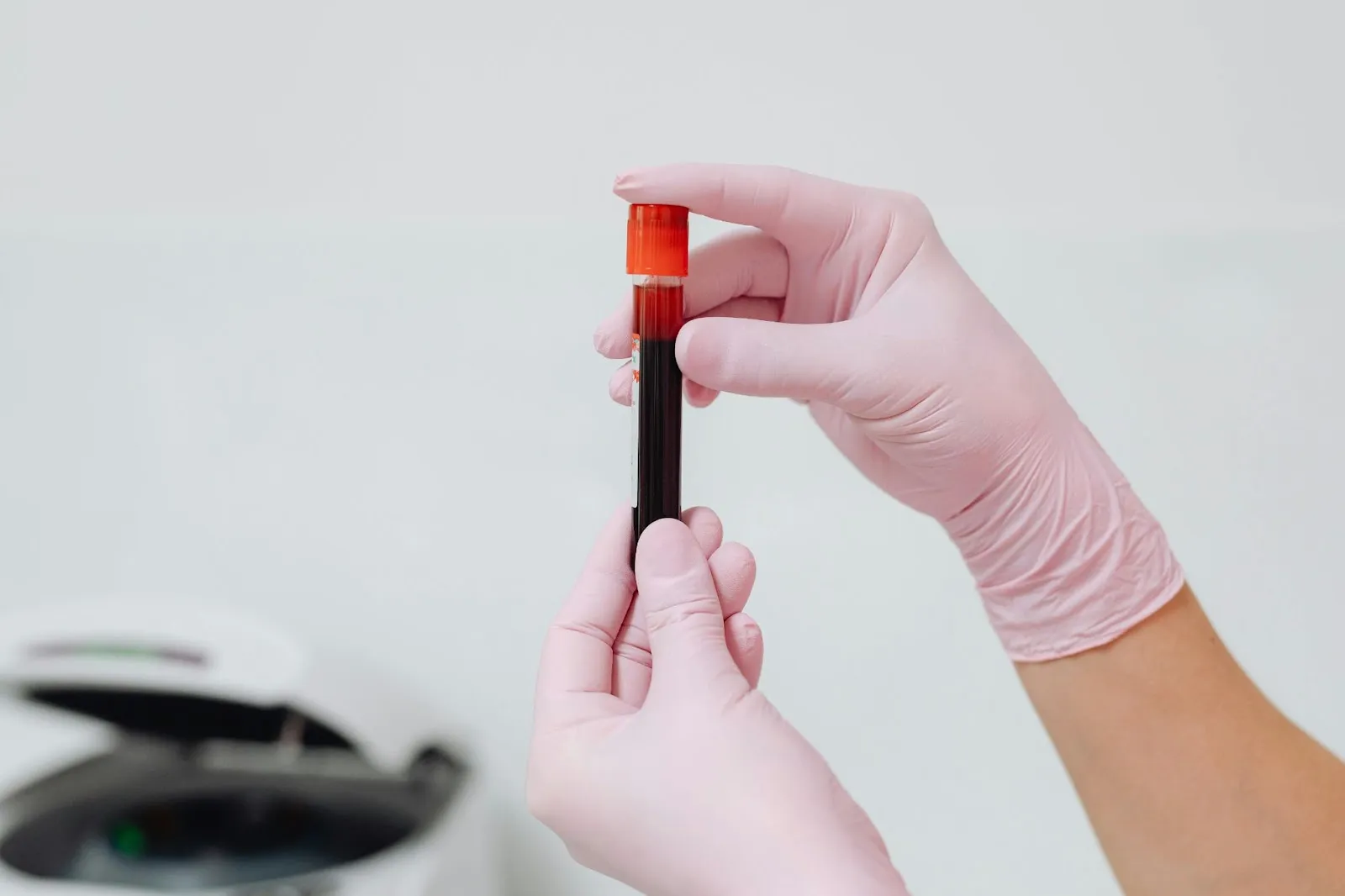
Checking your cortisol levels is not enough to rule out “adrenal fatigue”. It’s also important to test for real conditions that share similar symptoms, especially adrenal insufficiency, which is a medically recognized disorder.
To rule out adrenal insufficiency and other underlying issues, your doctor may recommend a more complete health assessment, including:
-
Morning cortisol with ACTH stimulation test (the gold standard for diagnosing adrenal insufficiency)
-
Insulin tolerance test
-
CRH stimulation test
-
CT scans
-
MRI
Mito Health offers biomarker testing that can help you uncover patterns in energy, sleep, and hormones. You can have your DHEAS, Thyroid hormones, ferritin, and iron levels checked with our comprehensive blood panels.
What You Can Do Now

Even if adrenal fatigue isn’t a real diagnosis, the path to better energy is still clear. It starts with supporting your body’s stress response, hormones, and daily rhythms.
Lifestyle Foundations
Getting your energy back starts with how you live day-to-day. Focus on the basics that really matter: get good sleep, move your body gently, eat healthy, whole foods, and manage stress. This might look like setting up a calming bedtime routine, taking walks in nature, having balanced meals regularly, or making time for mindful activities like journaling or deep breathing.
Nutrients, Herbs, and Caution with Supplements
Certain nutrients and herbs can support your body’s stress response and energy production:
-
B Vitamins help with energy metabolism and mood, especially B5, B6, and B12.
-
Vitamin C supports the production of adrenal hormones and immune health.
-
Magnesium supplements calm the nervous system and promote sleep.
-
Adaptogens like rhodiola, ashwagandha, maca, and licorice root (used with caution) may help the body cope with stress.
However, not all supplements are safe or effective. Be careful with high-dose products and stay away from unregulated glandular extracts. They might have hidden steroids or come from animal tissues.
Misdiagnosing yourself and using the wrong treatments can hold up care for serious issues like liver problems, hypothyroidism, or sleep disorders. Always consult a healthcare provider before starting new supplements.
When to See a Doctor
If you’re feeling tired and lifestyle changes aren’t helping, or you start to notice losing weight, fainting, very low blood pressure, or feeling really weak, it’s important to see a doctor right away. These could be signs of adrenal insufficiency, not fatigue.
Your healthcare provider can guide you through proper tests and safe treatment options.
Adrenal Fatigue Isn’t Real—But Here’s What Actually Works
Chronic fatigue and stress are real. But “adrenal fatigue” is not a recognized diagnosis. The good news is that you don’t need a label to start feeling better. If you pay attention to your sleep, nutrition, stress levels, and check the right biomarkers, you can find real answers and boost your energy for the long run.
Mito Health can help you explore your body’s key health signals, from cortisol and DHEAS to thyroid function and iron. Personalized insights make it easier to take action and feel your best.
Related Articles
-
Understanding Fatigue Under Stress: Causes, Biomarkers & What To Do
-
Managing Fatigue at Night Effectively: Causes, Symptoms & Solutions
-
Managing Fatigue in 30s Effectively: Causes, Symptoms & Solutions
-
Managing Fatigue in Working Women Effectively: Causes, Symptoms & Solutions