
GLP-1 Medications and Monitoring Guide
Tracking your metabolic markers help show how well GLP-1 medication works and how effectively it manages your condition.
March 13, 2026
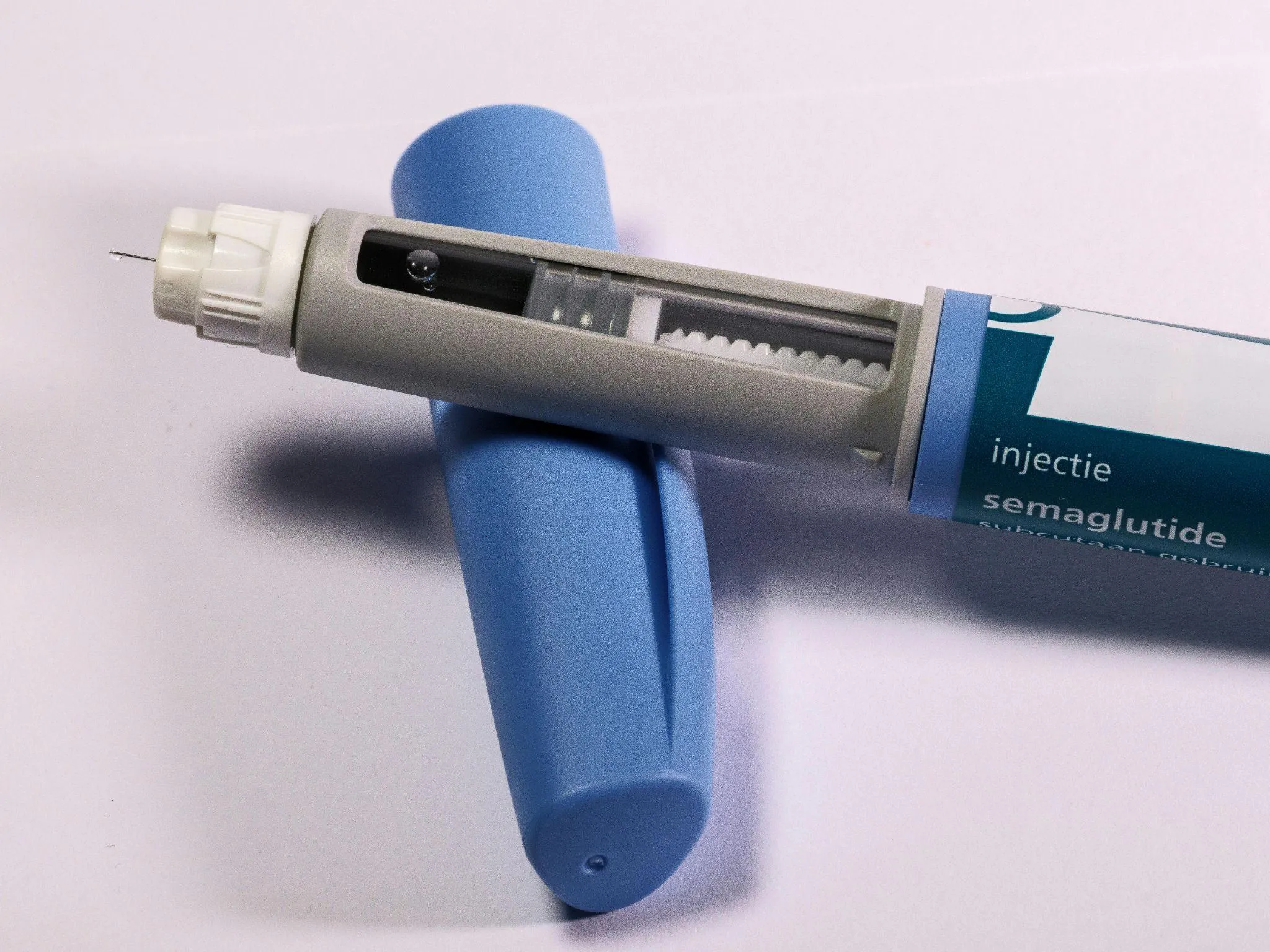
Tracking your metabolic markers help show how well GLP-1 medication works and how effectively it manages your condition.
GLP-1 medications are now among the most discussed options for weight management and type 2 diabetes. Drugs like Ozempic and Wegovy are well known for helping people lose weight and control blood sugar better.
These medications are GLP-1 receptor agonists. They mimic a hormone that the body makes after eating. This hormone helps regulate blood sugar, appetite, and digestion. GLP-1 medications help metabolic health by activating similar biological pathways. They also reduce appetite, which can lead to weight loss.
But medication is only part of the picture. Knowing what GLP-1 is, how these drugs function, and how to track your health while using them is key.
What Is GLP-1?
GLP-1 stands for glucagon-like peptide-1, a hormone produced in the gut after eating. It plays a key role in regulating metabolism and blood sugar levels. When food enters the digestive system, GLP-1 helps manage processes that keep glucose levels balanced.
GLP-1 supports metabolic regulation in several ways:
-
Stimulates insulin release when blood sugar rises
-
Reduces glucagon, a hormone that increases blood sugar
-
Slows stomach emptying, which helps prevent rapid glucose spikes
-
Signals fullness to the brain, reducing appetite
These effects explain why GLP-1 medications help control blood sugar and aid in weight management.
What Are GLP-1 Medications?
GLP-1 medications are drugs that mimic the natural GLP-1 hormone. They activate GLP-1 receptors in the body, producing effects similar to those of the hormone released after meals. These medications were first made to manage type 2 diabetes. Now, many are also used for long-term weight management.
Common GLP-1 medications
Some widely prescribed GLP-1 medications include:
-
Ozempic
-
Wegovy
-
Saxenda
-
Victoza
-
Trulicity
-
Mounjaro
Some of these medications are taken once daily, while others are given as weekly injections.
How GLP-1 Medications Work in the Body

GLP-1 medications affect several metabolic systems, which explains the wide range of GLP-1 benefits.
Blood sugar regulation
GLP-1 medications help control blood sugar. They boost insulin release when glucose levels go up. This helps maintain stable blood sugar levels while reducing the risk of sudden spikes.
Appetite and satiety
GLP-1 also communicates with the brain’s appetite centers. Many people taking these medications report feeling full sooner and eating smaller portions.
Slower digestion
GLP-1 medications slow gastric emptying, meaning food leaves the stomach more gradually. This slows glucose absorption and helps prevent post-meal blood sugar spikes.
Weight loss effects
These medications reduce appetite and boost metabolism. So, when combined with lifestyle changes, they often lead to lasting weight loss. Clinical trials report average weight loss ranging from about 8% to over 20% of body weight, depending on the GLP-1 medication and dose.
These effects explain why GLP-1 medications are increasingly considered part of metabolic health management.
Possible Side Effects of GLP-1
Like any medication, GLP-1 drugs can cause side effects. Most issues relate to digestion and often improve as the body adjusts.
Some people may experience:
-
Nausea
-
Vomiting
-
Diarrhea
-
Constipation
-
Reduced appetite
These symptoms are often mild and temporary.
When to seek professional guidance
You should discuss persistent symptoms or unusual reactions with a qualified healthcare professional. They can evaluate whether they need to make adjustments or conduct further assessment.
Conditions GLP-1 Medications Are Used For
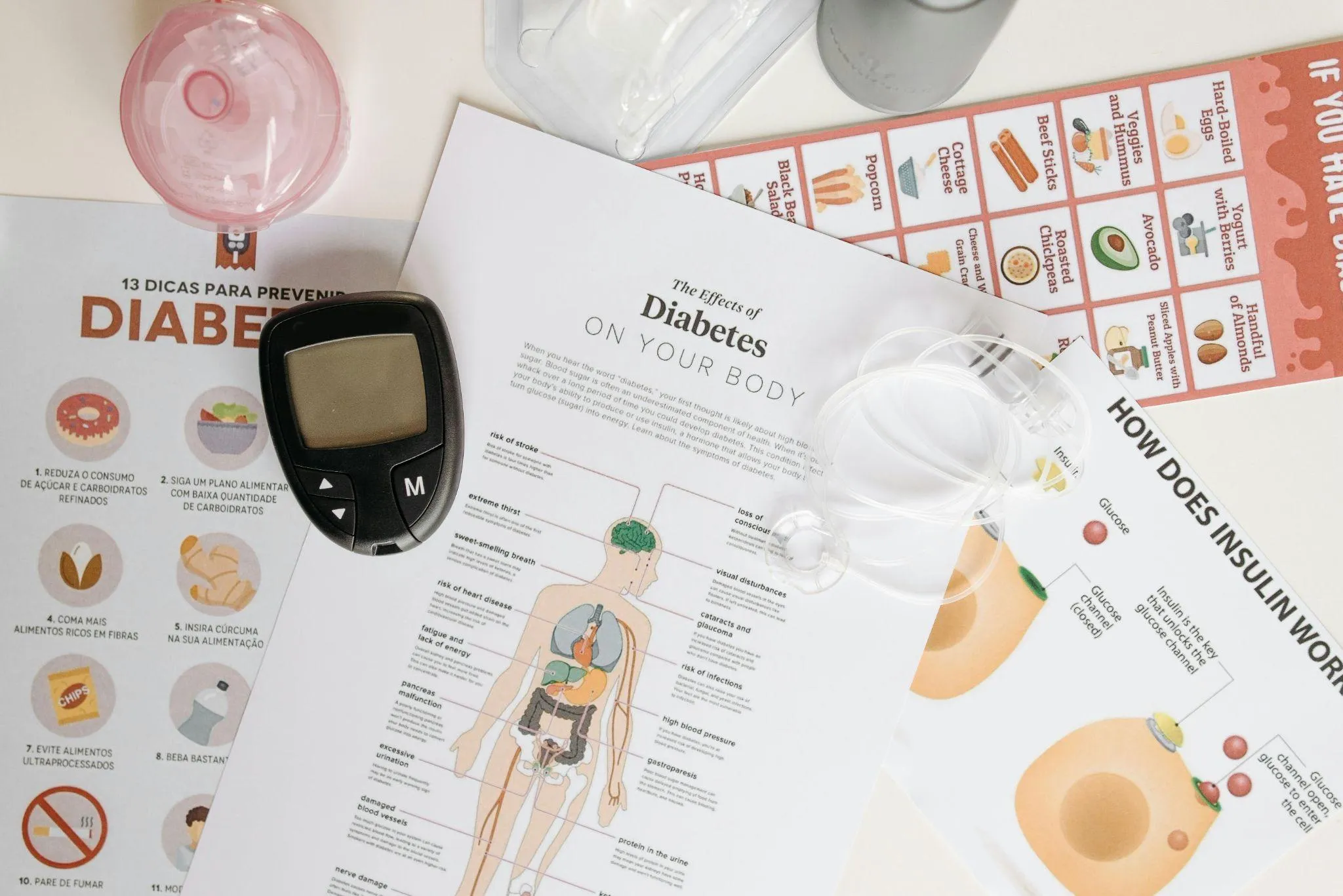
GLP-1 medications were first created for diabetes, but now they treat various metabolic health issues.
1. Type 2 diabetes
GLP-1 medications assist those with type 2 diabetes. They enhance insulin response and lower blood glucose levels. They can also help reduce HbA1c, a long-term marker of blood sugar control.
2. Obesity and weight management
Some GLP-1 medications are approved specifically for chronic weight management. They may be considered for individuals with:
-
Body mass index (BMI) of 30 or higher
-
BMI of 27 or higher with weight-related health conditions
3. Cardiovascular risk reduction
Research shows that some GLP-1 medications can lower the risk of heart attack, stroke, and other heart-related issues. This is especially true for people with diabetes.
Why GLP-1 Monitoring Matters
Medications that influence metabolism can affect multiple biological systems. Monitoring key biomarkers can provide insight into how the body responds to treatment. This is where GLP-1 monitoring becomes important.
Regular health tests can track metabolic changes. They can also spot improvements and potential issues.
Key biomarkers often monitored
You can track common metabolic biomarkers during GLP-1 therapy. These include:
-
Fasting glucose
-
Lipid profile (cholesterol and triglycerides)
-
Liver enzymes
-
Kidney function markers
Tracking these biomarkers can provide a clearer picture of how metabolic health is changing over time.
Monitor Your Metabolic Health for GLP-1 Medications
GLP-1 medications have changed how doctors manage weight and treat type 2 diabetes. These medications mimic a natural hormone that helps with metabolism. So, they can regulate blood sugar, reduce appetite, and support weight loss.
If you’re thinking about GLP-1 medications for type 2 diabetes, obesity, or better metabolic health, starting with biomarker testing can provide helpful insights. Mito Health provides a comprehensive blood panel that checks over 100 markers. This includes important metabolic markers like glucose, insulin, cholesterol, and inflammation. These tests can support GLP-1 monitoring by showing how your body responds over time.
Mito Health provides clear data and personalised insights, so you understand your health and make better choices about your metabolic wellness. Sign up for Mito Health membership and take control of your health today.
Frequently Asked Question
- What is GLP-1?
GLP-1 is a hormone produced in the gut after eating. It helps regulate blood sugar, slow digestion, and signals to the brain that it is full.
- What do GLP-1 medications do?
GLP-1 medications mimic the natural GLP-1 hormone. They help improve blood sugar control, reduce appetite, and support weight loss.
- Are GLP-1 medications only for diabetes?
No. GLP-1 medications were first made for type 2 diabetes, but some are now also approved for chronic weight management.
- What are Ozempic blood tests?
Ozempic blood tests are routine checks. They monitor health markers like glucose, HbA1c, cholesterol, and liver function. These tests are important for those using GLP-1 medications.
- Why is GLP-1 monitoring important?
GLP-1 monitoring helps track changes in metabolic biomarkers over time. This information can help us understand blood sugar control, metabolic health, and how well treatments work.
Frequently Asked Questions
What are GLP-1 medications and how do they work for weight loss?
GLP-1 medications are drugs that mimic glucagon-like peptide-1, a hormone the body naturally produces after eating. They activate GLP-1 receptors to help regulate blood sugar, slow stomach emptying, and signal fullness to the brain. By reducing appetite and supporting metabolic function, these medications may lead to weight loss when combined with lifestyle changes. Clinical trials have reported average weight loss ranging from about 8% to over 20% of body weight, depending on the specific medication and dose.
What are the common side effects of GLP-1 medications like Ozempic and Wegovy?
The most commonly reported side effects of GLP-1 medications are digestive in nature. These can include nausea, vomiting, diarrhea, constipation, and reduced appetite. For many people, these symptoms are mild and may improve as the body adjusts to the medication. If symptoms persist or feel unusual, it is important to speak with a qualified healthcare professional who can evaluate whether adjustments are needed.
What health markers should you monitor while taking GLP-1 medication?
Regular monitoring of key biomarkers can help show how the body is responding to GLP-1 therapy. Commonly tracked markers include fasting glucose, HbA1c (a long-term measure of blood sugar control), insulin levels, lipid profile (cholesterol and triglycerides), liver enzymes, and kidney function markers. Tracking these values over time may help identify improvements in metabolic health as well as flag potential concerns early.
Who is eligible for GLP-1 medications for weight management?
GLP-1 medications were first developed to manage type 2 diabetes, but some are now approved for chronic weight management. They may be considered for individuals with a body mass index (BMI) of 30 or higher, or a BMI of 27 or higher when accompanied by weight-related health conditions. Certain GLP-1 medications have also shown potential to reduce cardiovascular risk, particularly in people with diabetes. A healthcare professional can help determine whether these medications are appropriate for your situation.
Related Articles
-
Continuous Glucose Monitors For Non Diabetics Worth The Investment
-
Dawn Phenomenon Explained Why Your Morning Blood Sugar Spikes And How To Fix It