Omega-3 and Depression: Could Your Mood Swings Be a Nutrient Deficiency?
Emerging research links low omega-3 levels to anxiety, depression, and cognitive decline. If you’ve been feeling off, could the solution be as simple as adjusting your fat intake?
February 7, 2025

You feel down, irritable, and lack motivation. You’ve tried everything, but nothing seems to work.
Could increasing your intake of omega-3 fatty acids be the cure?
TL;DR
-
Omega-3s, essential fats, are vital for brain health and function
-
Studies show a link between low omega-3 levels and an increased risk of depression
-
Increasing omega-3 intake through diet or supplements may improve mood and cognitive function
What are Omega-3 Fatty Acids?
-
Essential fats, crucial for brain health and function
-
Influence how neurons communicate
-
Possess anti-inflammatory properties, vital for mood regulation
-
Inflammation is increasingly linked to depression
Key Types of Omega-3s
-
EPA (Eicosapentaenoic Acid): Reduces inflammation
-
DHA (Docosahexaenoic Acid): Crucial for brain health, eyesight, and heart function
-
ALA (Alpha-Linolenic Acid): Primarily an energy source, inefficiently converted to EPA and DHA
The Omega-3 and Depression Connection

Your brain needs omega-3s, particularly EPA and DHA, to function correctly.
Individuals experiencing depression may have insufficient levels of these essential fats.
This deficiency could disrupt brain cell communication, neurotransmitter production, and inflammatory responses, all of which play a role in mood regulation.
What the Research Says
-
Reduced Risk of Depression: Individuals with higher levels of omega-3s, especially EPA, were less likely to experience major depressive disorder
-
Improved Mood and Cognition: Higher doses of omega-3s (~4 grams/day) can improve motivational symptoms and cognitive function in people with depression
-
Enhanced Antidepressant Effects: Omega-3 fatty acid supplements combined with antidepressants were more effective in alleviating depressive symptoms than antidepressants alone
How to Increase Omega-3 Intake

The best way to increase your omega-3 intake is through a balanced diet and supplementation.
Dietary Changes
-
Fatty Fish: Salmon, mackerel, tuna, herring, and sardines are excellent sources of EPA and DHA
-
Nuts and Seeds: Flaxseed, chia seeds, and walnuts are good sources of ALA
-
Plant Oils: Flaxseed oil, soybean oil, and canola oil contain ALA
Supplementation
-
Consider supplements if you struggle to get enough omega-3s through your diet
-
Different types of omega-3 supplements are available, including:
-
Natural Fish Oil
-
Processed Fish Oil
-
Krill Oil
-
Green-Lipped Mussel Oil
-
ALA Oil
-
Cod Liver Oil
-
Algal Oil
-
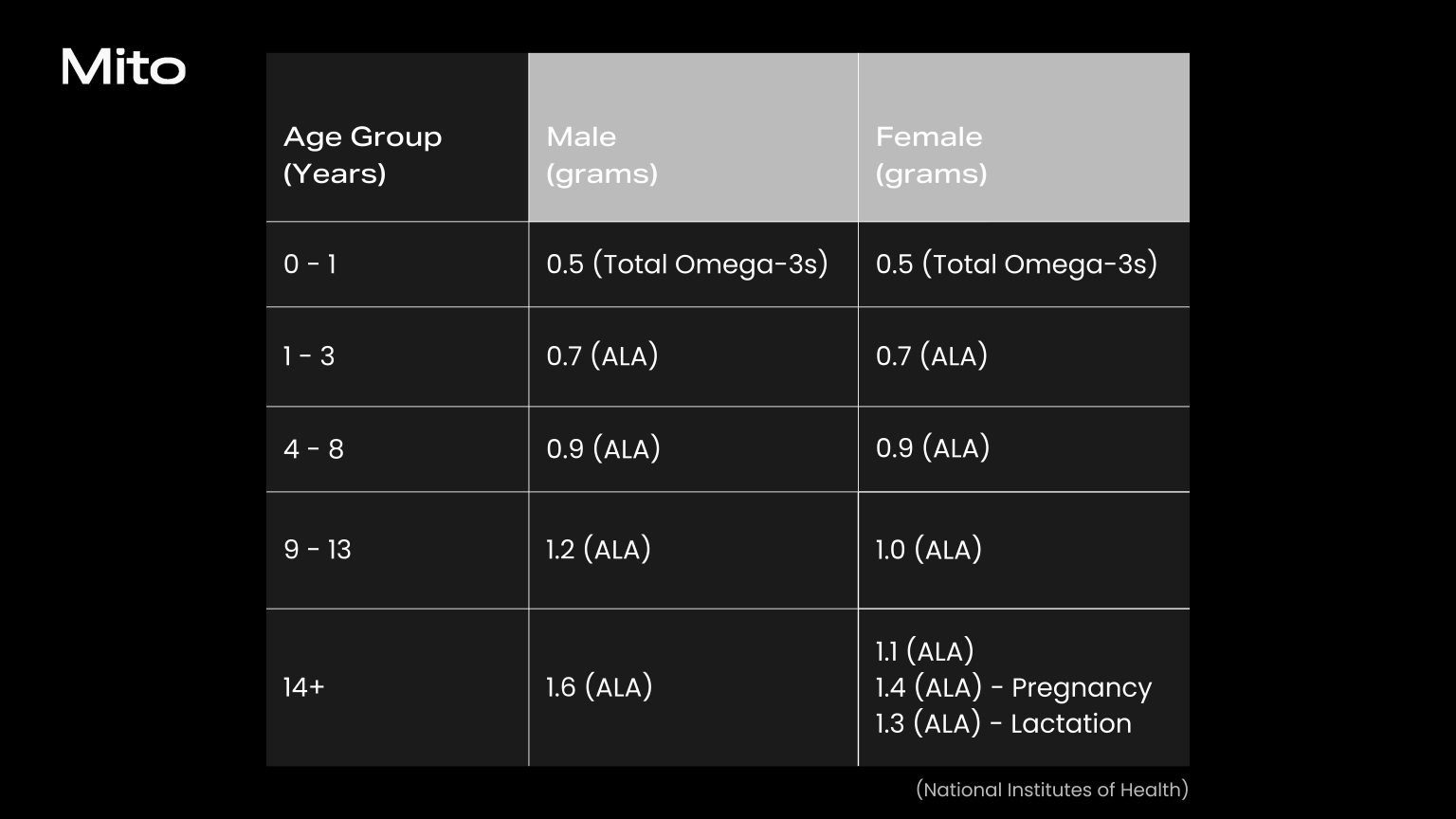
Recommended Daily Intake of Omega-3s
The recommended daily intake of omega-3s varies depending on age, gender, and health status.
Conclusion
-
Omega-3 fatty acids, especially EPA, may play a significant role in mood regulation.
-
Ensuring adequate omega-3 intake through diet or supplementation can support mental health.
-
Schedule an OmegaCheck and consult a healthcare professional to determine the appropriate dosage and type of omega-3 for your needs.
Resources
-
https://www.researchgate.net/publication/340029802_Omega-3_fatty_acids_and_mental_health
-
https://my.clevelandclinic.org/health/articles/17290-omega-3-fatty-acids
-
https://mghpsychnews.org/omega-3-fatty-acids-improve-depression-motivation-and-cognition/
-
https://www.frontiersin.org/journals/psychiatry/articles/10.3389/fpsyt.2023.1200403/full
-
https://www.psypost.org/higher-omega-3-levels-linked-to-lower-risk-of-depression-study-finds/
-
https://ods.od.nih.gov/factsheets/Omega3FattyAcids-Consumer/
-
https://www.heart.org/en/healthy-living/healthy-eating/eat-smart/fats/fish-and-omega-3-fatty-acids
-
https://www.goodrx.com/omega-3-acid-ethyl-esters/omega-3-dosages
-
https://www.healthline.com/nutrition/omega-3-supplement-guide
-
https://ods.od.nih.gov/factsheets/Omega3FattyAcids-HealthProfessional/
-
https://healthpromotion.ucsd.edu/_files/topics/healthy-eating/omega3supp.pdf
-
https://www.nccih.nih.gov/health/omega3-supplements-what-you-need-to-know
-
https://www.mayoclinic.org/drugs-supplements-fish-oil/art-20364810
-
https://casatondemand.org/2022/08/10/7-lifestyle-factors-that-impact-mental-health/