Dr Matthew Walker’s Playbook for Sleep, Energy and Longevity
Sleep powers memory, mood, metabolism and long-term health. Learn how sleep works, why it drives performance, and how to get better quality rest tonight.
September 25, 2025

If you care about sharper thinking, stronger training, a better mood and a longer healthspan, sleep is not a nice-to-have. It is the operating system for everything else.
The evidence linking short or disrupted sleep to problems across immunity, cardiovascular health, metabolic control and even cancer risk is broad and sobering. One accessible summary of this science, written around Dr Matthew Walker’s work, calls sleep the pre-eminent force in the health trinity alongside food and exercise.
That framing is not hype. It reflects a large body of research that ties sleep loss to impaired immune responses and higher risk for chronic disease over time.
How Sleep Works
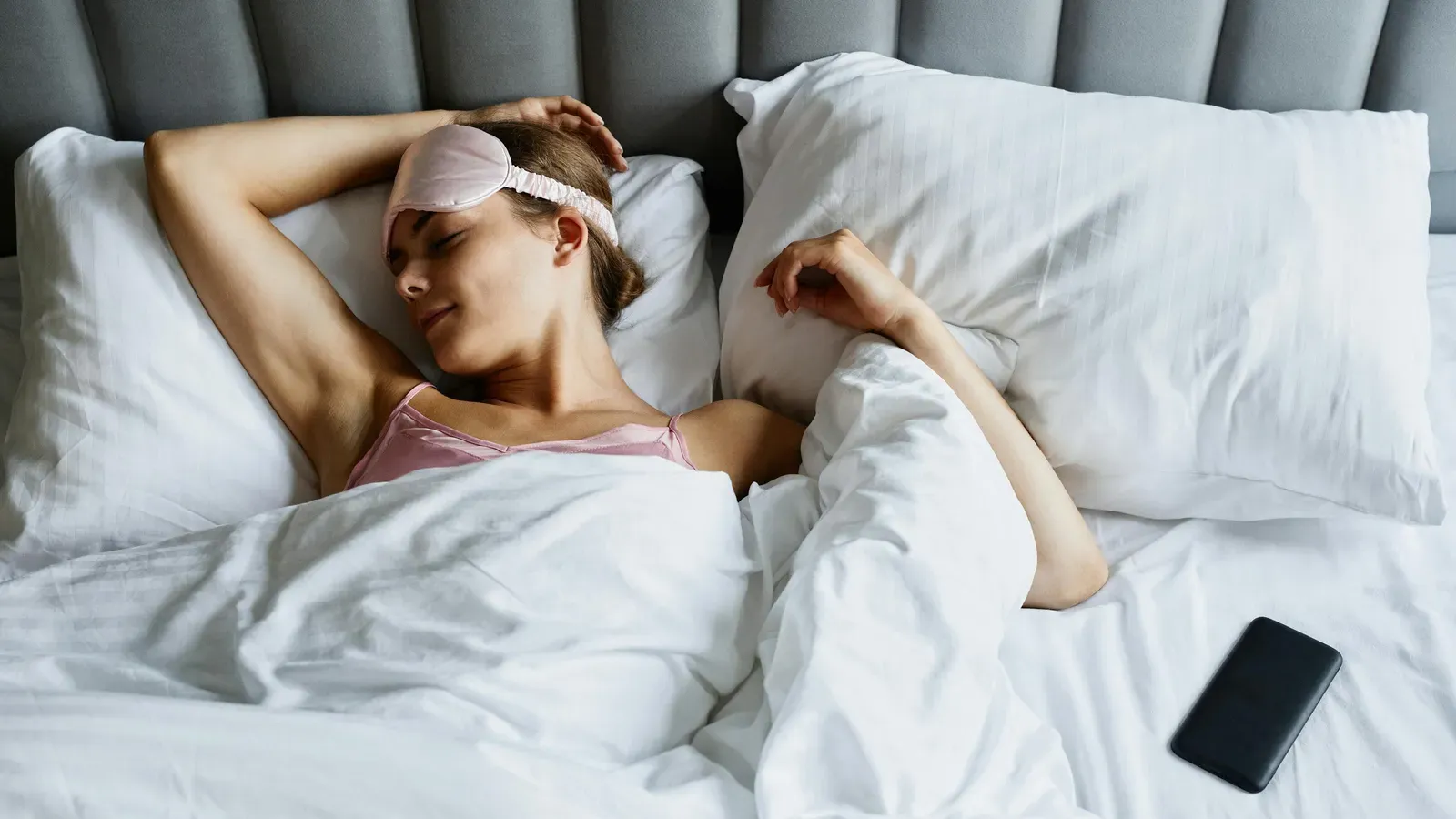
Your sleep runs on two clocks that talk to each other. The circadian system sets daily timing, priming you to feel sleepy at night and alert in the morning
A separate pressure signal, driven in part by adenosine, builds while you are awake and falls as you sleep. Melatonin helps set the timing of night, not depth.
Deep non-REM sleep handles physical recovery and memory storage, while REM sleep supports creativity and emotional processing.
Dr Walker’s popular work explains these roles in approachable language, including why deep sleep declines with age and why regular timing strengthens the whole system.
Why Sleep Drives Performance
Short sleep makes you slower, less accurate and more impulsive. It blunts learning and memory consolidation, weakens immune defenses and raises markers tied to metabolic disease.
The cumulative hit shows up as higher long-term risk for cardiovascular and metabolic disorders. That is the performance-to-longevity pipeline in a sentence. Sleep well tonight, function better tomorrow, and stack more healthy years over time.
The Brain’s Night Shift
You will often hear that sleep clears waste from the brain through a fluid network nicknamed the glymphatic system. There is supportive animal work and ongoing human research that links deep sleep to healthier clearance dynamics, and some groups have even suggested side sleeping may help in animals.
At the same time, newer studies have challenged parts of this model and the debate is active. What is not debated is this: better sleep quality tracks with better brain health and aging outcomes, even as mechanisms are refined. Use the idea as a nudge to protect deep sleep, not as a single-claim cure.
Dr Matthew Walker’s Stance
The consistent message in Walker’s work is simple. Sleep is foundational for learning, mood and long-term brain health. Treat it as a non-negotiable daily practice. Respect individual chronotypes rather than trying to bulldoze night owls into early larks.
Keep your environment cool at night since a drop in core temperature supports deeper sleep, with typical recommendations near 65°F for many people. Push for social and workplace norms that reward rested performance instead of bragging about minimal sleep.
How to Get Better Sleep
Small changes compound. Use the steps below as a toolkit and adjust to fit your life.
Lock in timing
Pick a consistent sleep and wake window and defend it most days. Consistency strengthens both the circadian signal and your sleep pressure rhythm, which makes falling asleep faster and staying asleep easier.
Shape light the right way
Get outdoor light within an hour of waking to anchor the day. In the evening dim indoor light, park bright screens, and let melatonin rise naturally. This simple light split helps your brain know what time it is, which improves both timing and depth.
Cool the room and warm the body
A cooler bedroom helps you drop core temperature. A warm bath or shower an hour before bed can paradoxically help you cool after you step out, making sleep onset smoother. Many readers find 65°F comfortable, with small personal tweaks up or down.
Respect the caffeine window
Caffeine blocks adenosine and can delay the body’s evening. Keep coffee in the first half of the day and use the smallest dose that works. Alcohol is a sedative that fragments sleep and strips deep stages even when you fall asleep fast. Save drinks for rare occasions or earlier in the evening.
What This Means for Daily Life
If you want a better memory for tomorrow’s meeting, rehearse today and then sleep. If you want bigger strength or endurance gains, train and then sleep.
Sleep supports motor learning, immune recovery, hormone balance and mood control. It is the cheapest legal performance enhancer you have.
The link to long-term brain health also runs through sleep, with aging studies pointing to the importance of deep sleep for memory and risk reduction across the lifespan
Final Word
Sleep is not lost time. It is the nightly reset that lets your brain learn, your body rebuild, and your future health stay on track. Keep a regular schedule, keep nights dark and cool, and be thoughtful with caffeine.
The returns show up tomorrow in sharper performance and, over years, in a longer, better life.