The Quiet Power of Zinc: What It Does and How to Restore Levels
Zinc supports immunity, skin, gut and mood. Learn how to spot deficiency, what zinc actually does and a simple plan to restore healthy levels.
October 10, 2025
Zinc is a trace mineral, yet it touches hundreds of cellular reactions. Your body uses it to build proteins, repair tissue, regulate genes and mount a strong immune response.
You do not store much zinc, so steady intake matters. When intake slips or losses rise, you feel it across sleep, skin, energy and mood.
What Zinc Does in Your Body

Zinc helps enzymes run metabolism, DNA synthesis and protein production. It supports the development and function of immune cells and shows up in skin repair, taste and smell, and healthy growth.
Low zinc weakens immune responses and slows wound healing, which is why hospitals often use zinc in ulcer care and why lozenges are studied for colds.
Signs of Zinc Deficiency
Zinc deficiency can be subtle at first. Look for patterns that hang around for weeks.
-
Recurrent colds or slower wound healing
-
Reduced taste or smell, low appetite, or mouth sores
-
Acne that heals slowly, dry or easily irritated skin
-
Fatigue, poor sleep quality, low mood or brain fog
-
Thinning hair or brittle nails
These overlap with other issues, so use them as prompts to audit your intake and habits.
Why Deficiency is Common
Modern diets can be light on zinc-rich foods. Phytates in some grains and legumes bind zinc and reduce absorption when meals lack variety.
Long-term use of certain medicines, digestive conditions, heavy alcohol use and high sweat loss all increase risk.
What Healthy Zinc Levels Can Do for You
Immune support and fewer sick days
Zinc is central to immune signaling. Evidence summaries show zinc can shorten common cold duration when taken as lozenges at the first sign, and that correcting low status improves the body’s defense over time.
Skin repair and barrier strength
Zinc supports collagen formation and inflammatory control. Clinical care often includes zinc for ulcers and slow healing wounds. If cuts linger, think about intake.
Energy and mood support
In a randomized trial with older adults, daily zinc supplementation reduced fatigue over 12 weeks. Other human studies suggest adjunct zinc can help mood when combined with standard care. Benefits are clearest when baseline zinc is low.
Gut integrity
The 2022 review links adequate zinc with tighter gut junctions and a healthier microbiota, which may translate to fewer “leaky gut” style symptoms in everyday life.
Where to Get Zinc
Food first
Oysters and red meat are dense sources. Poultry, eggs, dairy, beans, lentils, chickpeas, pumpkin seeds and nuts help too.
If you rely on plant sources, pair legumes and whole grains with vitamin C-rich foods and include fermented or sprouted options to improve absorption.
When supplements make sense
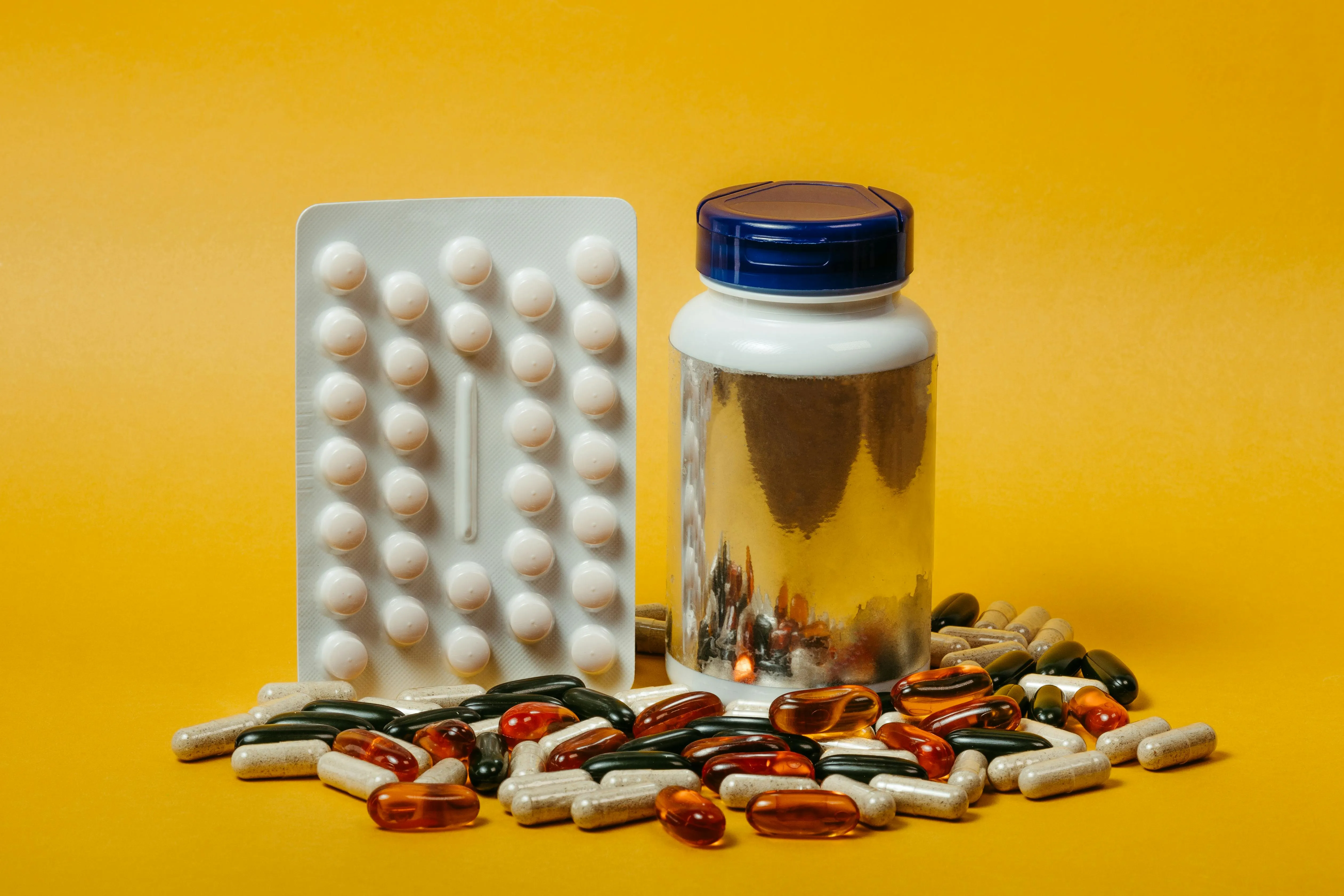
If your diet is light on zinc foods, or you notice ongoing signs of low status, supplementation is a straightforward bridge. Well-tolerated forms include zinc gluconate, acetate, citrate or glycinate.
Start with a modest daily dose rather than sporadic large amounts, and take it with food if your stomach is sensitive.
More is not always better. High doses can upset your stomach or reduce copper absorption if you run them for long stretches.
Final Word
Zinc keeps your immune system sharp, your skin repairing on schedule and your gut barrier steady.
If colds linger, cuts heal slowly or taste seems off, check your intake.
Center meals on zinc-rich foods and add a simple supplement if your diet falls short. Keep the dose sensible, support absorption and give it a few weeks. Small, steady changes bring this mineral back in range.
Related Articles
-
Why Fatigue That Never Goes Away Could Signal a Bigger Problem
-
Magnesium Mistakes: How to Choose the Right One for Your Body